
The simplest way to source travel auction items is to buy or reserve ready-to-redeem travel certificates from a provider built for fundraisers, then add one or two donated experiences for local flavor. Certificates arrive with a written description, a stated value and clear redemption rules, so you spend your time on the event instead of chasing donors. At Gift A Trip we sell digital and physical certificates for resorts, hotels, cruises and golf and spa stays, with taxes and fees included and minimal blackout dates, which is why they work well as auction lots.
This guide is for nonprofit staff, volunteers and event planners who need travel lots for a silent or live auction. It covers where items come from, how to ask for them, what to check before you accept one, and how to present the lot so it sells.
TL;DR
- Travel is the category bidders expect: NonprofitPoint’s 2026 list calls travel packages the biggest single revenue items at most nonprofit auctions.
- Your sourcing options are donations, purchased certificates and consignment-style packages. Certificates give you the most predictable terms.
- Before accepting any lot, confirm fair market value, inclusions, blackout dates, expiration and who handles booking.
- Disclose fair market value in the auction program so bidders know the deductible portion of their bid.
- Present each lot with photos, a bundled story and a short, plain list of restrictions.
Table of Contents
- Why travel leads the auction table
- Four ways to source travel auction items
- Compare the options at a glance
- What to check before you accept any lot
- How to ask for donated travel the right way
- Choose a mix that fits your crowd
- Present the lot so it sells
- After the gavel: fulfilling the win
- Source your auction travel with Gift A Trip
- FAQ
- Sources
Why travel leads the auction table
Bidders understand a getaway immediately. A weekend by the beach, a golf trip or a cruise needs no explanation, and the value is easy to compare to what they would pay at home. SilentAuction.org describes strong travel packages as easy to understand, visually appealing and simple to redeem. It points to beach getaways, weekend hotel-and-dinner trips, spa and wine country escapes, and golf or sports travel.
That last phrase, simple to redeem, is the part sourcing decides. A glamorous lot that the winner cannot actually book is the fastest way to lose a donor next year. Every sourcing method below should be judged on that one question: will the person who wins this be able to use it?
Four ways to source travel auction items
1. Ask donors and board members
Personal donations feel generous and cost you nothing. NonprofitPoint lists the usual crowd-pleasers: a donor’s vacation-home weekend, a four- or five-star local staycation with dinner and spa credit, a Napa or Sonoma winery weekend, airline companion passes, all-inclusive Caribbean or Mexico stays, ski weeks and national-park lodge stays.
The trade-off is control. A vacation-home weekend depends on one person’s calendar, and donors rarely write down blackout dates until a winner asks. If you go this route, get the terms in writing at the moment of the gift (see the procurement form section below).
2. Buy travel certificates
Certificates are the most predictable source. You choose the destination type, receive a defined product and know the rules before the event. Gift A Trip offers certificates in cruises, resorts and hotels, and golf and spa getaways, including Royal Caribbean certificates and golf and spa resort stay certificates. Taxes and fees are included and blackout dates are kept minimal, which keeps the lot description short and the bidder confident.
If you are new to the format, our guide explaining what a travel auction certificate is walks through how redemption works, and our step-by-step guide to charity auction gift certificates covers the buying process.
3. Use flexible collections for multiple winners
One popular tactic is to sell the same package to several winners. Flex Trip Collections let the winner pick from a set of destinations rather than one fixed trip, which suits a “buy it now” table or a lot with several winners. A flexible lot also appeals to bidders who cannot commit to a single location or date.
4. Consignment and no-risk packages
Some providers place travel packages with nonprofits on a no-upfront-cost basis and ask for a base cost only if the item sells. The idea is attractive for organizations without cash to spend, but terms vary by provider, so get the arrangement in writing: who owns unsold inventory, what is owed when a lot sells, and when the package expires. We do not publish consignment terms, so use this checklist with whichever provider you evaluate.
Compare the options at a glance
| Source | Upfront cost | Control over terms | Best for |
|---|---|---|---|
| Donor or board member gift | None | Low, depends on the donor | Unique local or personal experiences |
| Purchased certificates | You pay for what you buy | High, terms are stated before you buy | Reliable anchor lots with taxes and fees included |
| Flexible collections | You pay for what you buy | High | Multi-winner lots and bidders who want choice |
| Consignment-style packages | Often none | Varies by provider, so confirm in writing | Organizations with limited cash |
What to check before you accept any lot
The research on procurement is consistent: most auction problems come from missing paperwork, not missing generosity. Whatever the source, collect these before the item goes in the catalog.
Fair market value
Fair market value is the price the item would fetch on the open market between a willing buyer and seller. It is not what you paid and not what you hope it will bring. LegalClarity’s procurement-form guide says your form should capture this figure, citing IRS Publication 561. Fundraising Nerd adds that even a free item has a fair market value, and that disclosing it in the auction program helps bidders understand the deductible portion of what they pay.
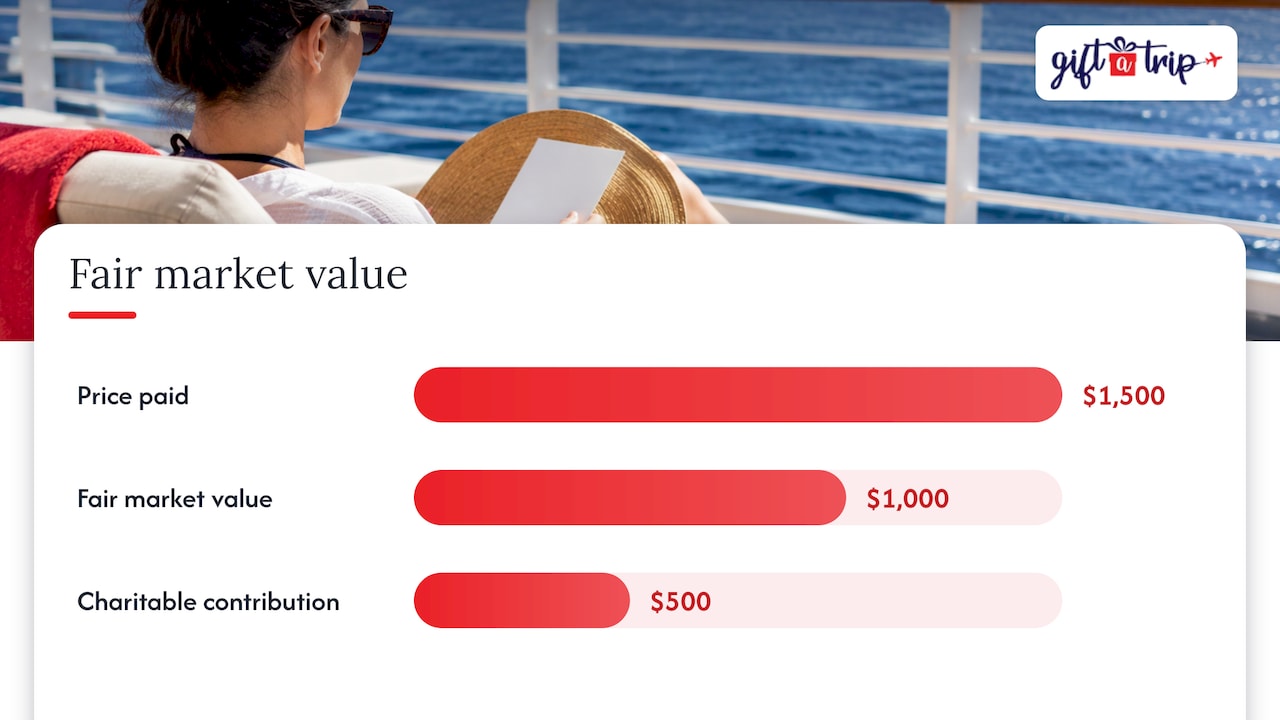
In practice, a bidder who pays $1,500 for a trip with a fair market value of $1,000 can generally treat only the $500 above value as a charitable contribution. Your auction program should say so, and your tax adviser should confirm your wording.
Inclusions
Write down exactly what is covered: nights, number of guests, meals, taxes, resort fees, gratuities, transfers, airfare. LegalClarity’s silent auction guide advises giving bidders a clear written description of what a vacation stay includes. Certificates with taxes and fees already covered remove the most common surprise, the winner who learns about a resort fee at checkout.
Restrictions and expiration
Capture blackout dates, the expiration date, maximum party size and geographic limits. The same procurement guide lists these as required fields. Too many restrictions also hurt your results: SilentAuction.org notes that heavy blackout dates can lower bidder confidence and bidding activity. This is one reason minimal blackout dates matter when you pick a certificate.
Delivery and booking
Decide who the winner contacts, how the certificate reaches them and how long redemption takes. Digital delivery is fast and can be emailed to the winner right after checkout. For a gala table, a physical presentation helps, and we offer Red Box Delivery for a one-off fee of $69.
Registration and legal basics
LegalClarity’s guide notes that several U.S. states have seller-of-travel registration requirements. If you are auctioning a stay you assemble yourself rather than reselling a provider’s certificate, ask your state’s consumer protection office or your attorney whether registration applies to you. Check your state’s rules for raffles and auctions as well.
How to ask for donated travel the right way
If you are soliciting donations, a clear request gets a faster yes.
- Tell the donor what the item will do. Name the event, the date range, the cause and the audience size.
- Send a procurement form. It should capture the donor’s contact details, a description of the item, its fair market value, restrictions, expiration and delivery method.
- Offer recognition. Print the donor’s name in the program and on the lot sheet.
- Acknowledge the gift in writing. For a single donation of $250 or more, LegalClarity’s guide says the nonprofit must issue a contemporaneous written acknowledgment that describes the property without assigning a dollar value.
- Remember that services are different. Fundraising Nerd explains that gifts of services and partial-use gifts, such as a vacation-home weekend, are not tax-deductible for the donor. Do not promise a deduction you cannot support.
Our charity event planning tips for travel auctions and auction travel workflow guide put these steps on a timeline.
Choose a mix that fits your crowd
Build the travel table in layers rather than ten similar beach weekends.
- One anchor lot. A cruise or all-inclusive resort certificate that draws the high bids.
- Two or three mid-range lots. Resort and hotel stays, or a golf or spa getaway, that suit couples and friends.
- A local experience. A donor-hosted weekend or staycation that reflects your community.
- A multi-winner lot. A flexible collection that can sell more than once.
For more ways to extend the table, see our list of creative auction item ideas for 2026 and why experiential items work for fundraising.
Present the lot so it sells
SilentAuction.org highlights several presentation habits. Professional destination photography helps bidders connect emotionally. Bundling lodging with dining, entertainment or transportation makes a package feel more valuable. Displaying the estimated retail value encourages competitive bidding.
Apply them like this:
- Lead the bid sheet with a photograph and one sentence about the experience.
- List inclusions in a short bulleted list, then restrictions in a second short list.
- Show the fair market value and the starting bid side by side.
- Add a small add-on, such as a travel essentials gift set, to turn a certificate into a gift the winner can open on the night.
For table layouts, see our silent auction display ideas.
After the gavel: fulfilling the win
A lot is not finished when it sells. Within a few days, send the winner the certificate, the redemption instructions, the expiration date and a contact for questions. Keep a record of the winning bid, the fair market value and the acknowledgment sent, because your donors will ask for it at tax time. Our list of auction travel mistakes and checklists covers the follow-up errors we see most often in planning.
Our view on sourcing travel for auctions
Most auction committees spend weeks collecting travel, then discover at the last minute that the terms are unclear. We think the order should be reversed: decide the terms first, then pick the lot.
That is why we build certificates around the things bidders care about. Taxes and fees are included, blackout dates are minimal, delivery is secure and digital, and there is no minimum order, so a small school fundraiser can buy one certificate and a large gala can buy many. A bidder reading the lot sheet should never have to wonder what is covered.
Our advice to any organizer is to anchor the travel table with certificates you can describe in three lines, and to let donated experiences add personality around them.
Donovan
Source your auction travel with Gift A Trip
If you want ready-to-use lots, start with our certificate catalog, where you can browse cruises, resorts and hotels, and golf and spa getaways. Organizations buying at volume can look at our corporate and bulk options, including custom trip selection sites and custom flex trip collections.
You can also see how digital certificates work before you decide how many lots you need.
FAQ
Where can charities source travel auction items?
The main sources are donations from board members and supporters, purchased travel certificates, flexible trip collections and consignment-style packages. Certificates give you the most control because the terms are known before you list the lot. Donations add local character but need a written procurement form.
What information should I collect about a travel item?
Collect its fair market value, a written description of inclusions, blackout dates, expiration, party size, geographic limits and the delivery method. LegalClarity’s procurement guide lists these as the core fields. Keep the form with your auction records.
Do bidders get a tax deduction for travel they win?
Generally only for the portion of the winning bid above the item’s fair market value, according to Fundraising Nerd’s IRS summary. Publish the fair market value in your program so bidders can see the figure. Ask your tax adviser to confirm your wording.
Do I need a seller of travel registration?
Some U.S. states require one, per LegalClarity’s August 2026 guide. Requirements depend on the state and on how you offer the travel, so check with your state consumer protection office or attorney before you list a stay you assemble yourself.
How many travel lots should an auction have?
There is no fixed number. A layered mix of one anchor, a few mid-range stays, a local experience and one multi-winner lot gives different budgets something to bid on without crowding the table.
Sources
- Silent Auction Item Ideas: 100+ Creative Items, NonprofitPoint
- Travel Package Ideas for Silent Auctions, SilentAuction.org
- How to Fill Out and Submit an Auction Item Procurement Form, LegalClarity
- Are Silent Auctions Legal? Rules, Taxes & Disclosures, LegalClarity
- Survive Your Auction by Learning These 3 Critical IRS Rules, Fundraising Nerd