Jump to Section:
TL;DR:
- Employee recognition ideas that are frequent, personalized, and culturally embedded effectively motivate and retain employees.
- Travel certificates and digital group cards provide memorable rewards, especially when combined with regular acknowledgment.
Employee recognition ideas are specific actions and programs designed to acknowledge employees’ contributions in ways that motivate, engage, and retain them. Only 23% of employees strongly agree they receive adequate recognition, yet weekly recognition boosts productivity by 2.6x and retention by 6x. That gap between what employees need and what most organizations deliver is where the best HR professionals focus their energy. The good news: the most effective recognition programs do not require large budgets. They require frequency, personalization, and cultural consistency.

1. What are the top 10 employee recognition ideas for 2026?
The best employee recognition ideas share three traits: they are frequent, personal, and tied to real behavior. Gallup’s five pillars of effective recognition are fulfilling, authentic, personalized, equitable, and embedded in culture. Any idea that checks those boxes will outperform a generic annual award every time.
Weekly public shout-outs
Public shout-outs during team meetings or on a shared Slack channel cost nothing and deliver immediate impact. Name the specific behavior, not just the result. “Maria closed three accounts this week” lands harder than “Great job this week.”
Handwritten thank-you notes
A handwritten note from a manager carries more emotional weight than an automated email. Keep a stack of cards at your desk and write one per week. The physical act of writing signals that you took time, and employees notice.
Peer-to-peer recognition platforms
Platforms like Bonusly and Kudos let teammates recognize each other in real time. Peer recognition builds a culture of appreciation that does not depend on managers to initiate every interaction. It also surfaces contributions that leadership might never see.
Digital group appreciation cards
Digital group cards collecting messages from multiple teammates act as permanent, high-value keepsakes that outperform single automated messages. Tools like GreetPool let an entire team sign a card for Employee Appreciation Day, a work anniversary, or a project milestone. The collective weight of multiple signatures gives the gesture far more meaning than one message from HR.
Spot awards tied to company values
Spot awards are small, immediate rewards given on the spot when an employee demonstrates a core company value. They can be gift cards, extra PTO, or a travel certificate. The key is speed: recognize the behavior within 24 hours so the connection is clear.
Experience-based rewards
Experience-based rewards like travel certificates create memorable recognition that motivates and builds loyalty far longer than physical merchandise. A weekend resort stay or a cruise certificate gives employees something to look forward to, which extends the motivational effect well beyond the day of the award.
Milestone celebrations
Work anniversaries and five-year milestones deserve more than an automated email. Host a brief team lunch, present a personalized gift, and share a story about the employee’s impact. Milestone celebrations signal that tenure and loyalty are genuinely valued.
Leadership-signed group cards for company-wide events
Employee Appreciation Day, held on the first Friday of march each year since 1995, is a natural anchor for group recognition. A card signed by the CEO and every department head carries a level of perceived value that a mass email cannot replicate.
Flexible time off as a reward
Giving a high performer an extra afternoon off costs the company very little. It communicates trust and respect for work-life balance. Pair it with a verbal acknowledgment of why they earned it.
Recognition walls and boards
A physical or digital recognition wall where anyone can post a note about a colleague builds a visible culture of appreciation. Update it weekly. New hires see it on day one and immediately understand that recognition is part of how the team operates.
Pro Tip: Start with just three of these ideas on a 30-day trial before scaling. Consistency matters more than variety when building a recognition habit.
Leadership-driven vs. peer-to-peer recognition: which works better?
Both approaches work. The difference is in what they accomplish and when to use each.
Leadership recognition carries authority. When a VP calls out an employee by name in an all-hands meeting, it signals that the organization at its highest level sees and values that person’s work. 75% of employees say lack of appreciation significantly impacts their decision to stay. Leadership-driven recognition directly addresses that gap.
Peer recognition builds culture. Group recognition by multiple peers and leadership fosters a supportive, team-focused culture more deeply than isolated recognition from a single source. When teammates celebrate each other, the culture of appreciation becomes self-sustaining rather than dependent on manager bandwidth.
| Feature | Leadership-driven recognition | Peer-to-peer recognition |
|---|---|---|
| Perceived authority | High | Moderate |
| Frequency potential | Low to moderate | High |
| Culture-building impact | Moderate | High |
| Cost | Low to moderate | Low |
| Scalability | Limited by manager time | Scales with team size |
| Best use case | Milestones, awards, all-hands | Daily habits, project wins |
The most effective programs combine both. Leadership sets the tone; peers sustain the momentum.
Pro Tip: Schedule one leadership recognition touchpoint per month per team. Use peer platforms to fill the gaps between those moments.
Formal vs. informal recognition: how to choose the right mix
Formal and informal recognition serve different purposes, and the best employee appreciation strategies use both deliberately.
Formal recognition includes structured programs: annual awards, quarterly bonuses, milestone celebrations, and official recognition ceremonies. These events create shared moments that reinforce company values at scale. They work best when criteria are transparent and applied consistently across the organization.
Informal recognition is spontaneous and personal. A quick Slack message, a verbal thank-you before a meeting ends, or a handwritten note left on a desk. High-impact recognition often comes from low-cost, high-frequency actions tied directly to company values. Informal recognition fills the space between formal events and keeps motivation steady day to day.
The right mix depends on your team size and culture:
- Small teams (under 20 people): Lean heavily on informal recognition. Personal gestures land harder when everyone knows each other.
- Mid-size teams (20–200 people): Balance both. Use formal programs for visibility and informal recognition for daily reinforcement.
- Large organizations (200+ people): Formal programs are necessary for consistency, but informal recognition must be actively encouraged at the manager level to prevent employees from feeling like numbers.
- Remote and hybrid teams: Digital tools like GreetPool and Bonusly make informal recognition accessible regardless of location.
- Recognition preferences vary by person. Matching the style, public versus private, to the individual is key to success.
The biggest mistake HR teams make is running a formal program without informal reinforcement. The annual award means little if the employee has not heard a word of appreciation in the 364 days before it.
How travel rewards and digital group cards elevate recognition programs
Experience-based rewards represent the highest tier of employee recognition because they create memories, not just moments. Travel gift certificates serve as high-impact recognition rewards that provide lasting memories and support employee wellbeing. A resort stay or cruise certificate gives employees a story to tell, which extends the brand association with positive emotion long after the reward is received.
Digital group cards complement experience rewards by adding collective emotional weight to any recognition moment. Regular sending of digital group cards with personalized messages and photos builds a lasting recognition culture, especially for remote teams. The combination of a travel reward and a group card signed by the whole team creates a recognition experience that employees remember for years.
Practical ways to integrate both into your program:
- Use travel gift packages as the top tier in a tiered rewards system, reserved for annual award winners or top performers.
- Send a digital group card alongside every travel certificate so the reward feels personal, not transactional.
- For distributed teams, digital delivery removes the logistical barrier entirely. Giftatrip delivers travel certificates digitally, which means a remote employee in Austin receives the same quality of recognition as one in your headquarters.
- Anchor travel rewards to specific milestones: five-year anniversaries, sales targets, or project completions. Clear criteria make the reward feel earned rather than arbitrary.
- Vacation gift vouchers work particularly well for recognizing hospitality and service teams who spend their careers creating experiences for others.
Pro Tip: When presenting a travel certificate, pair it with a brief public acknowledgment of why the employee earned it. The story behind the reward doubles its perceived value.
Key takeaways
Effective employee recognition requires frequency, personalization, and cultural embedding across both formal programs and daily informal gestures.
| Point | Details |
|---|---|
| Frequency drives retention | Weekly recognition boosts retention 6x compared to infrequent or annual-only programs. |
| Combine leadership and peer recognition | Leadership sets the tone; peer platforms sustain daily appreciation between formal events. |
| Low cost does not mean low impact | Handwritten notes and public shout-outs consistently outperform generic automated messages. |
| Experience rewards build lasting loyalty | Travel certificates create memories that extend motivational impact well beyond the award date. |
| Match recognition style to the individual | Public recognition motivates some employees; private acknowledgment works better for others. |
Why recognition only works when it becomes a habit
I have run recognition programs at organizations ranging from 15-person startups to teams of several hundred, and the pattern is always the same. The program launches with energy, the first few weeks feel great, and then it quietly fades into the background by week six.
The reason is almost always the same: the program was treated as a campaign, not a habit. Recognition fails when it is generic and infrequent. The fix is not a bigger budget or a fancier platform. The fix is repetition.
What actually worked for me was a 30-day trial with just three ideas: a weekly team shout-out, one handwritten note per week from each manager, and a peer recognition channel on Slack. No awards, no ceremonies, no travel certificates yet. Just three consistent actions for 30 days. By day 30, the behavior had become automatic. Managers were writing notes without being reminded. The Slack channel was generating recognition that had nothing to do with HR.
The lesson I keep coming back to is this: start smaller than you think you need to. One genuine, specific, weekly recognition moment per employee does more for morale than a quarterly award program that most people forget about. Once the habit is built, you layer in the bigger gestures, the milestone celebrations, the travel rewards, the group cards. Those land harder because they sit on top of a foundation of consistent daily recognition.
The HR professionals I respect most are not the ones with the most elaborate programs. They are the ones whose teams feel seen every single week.
— Donovan
Travel certificates from Giftatrip: a reward worth remembering
Recognition programs that rely only on plaques and gift cards leave a gap at the top of the reward tier. That gap is where travel certificates from Giftatrip fit.
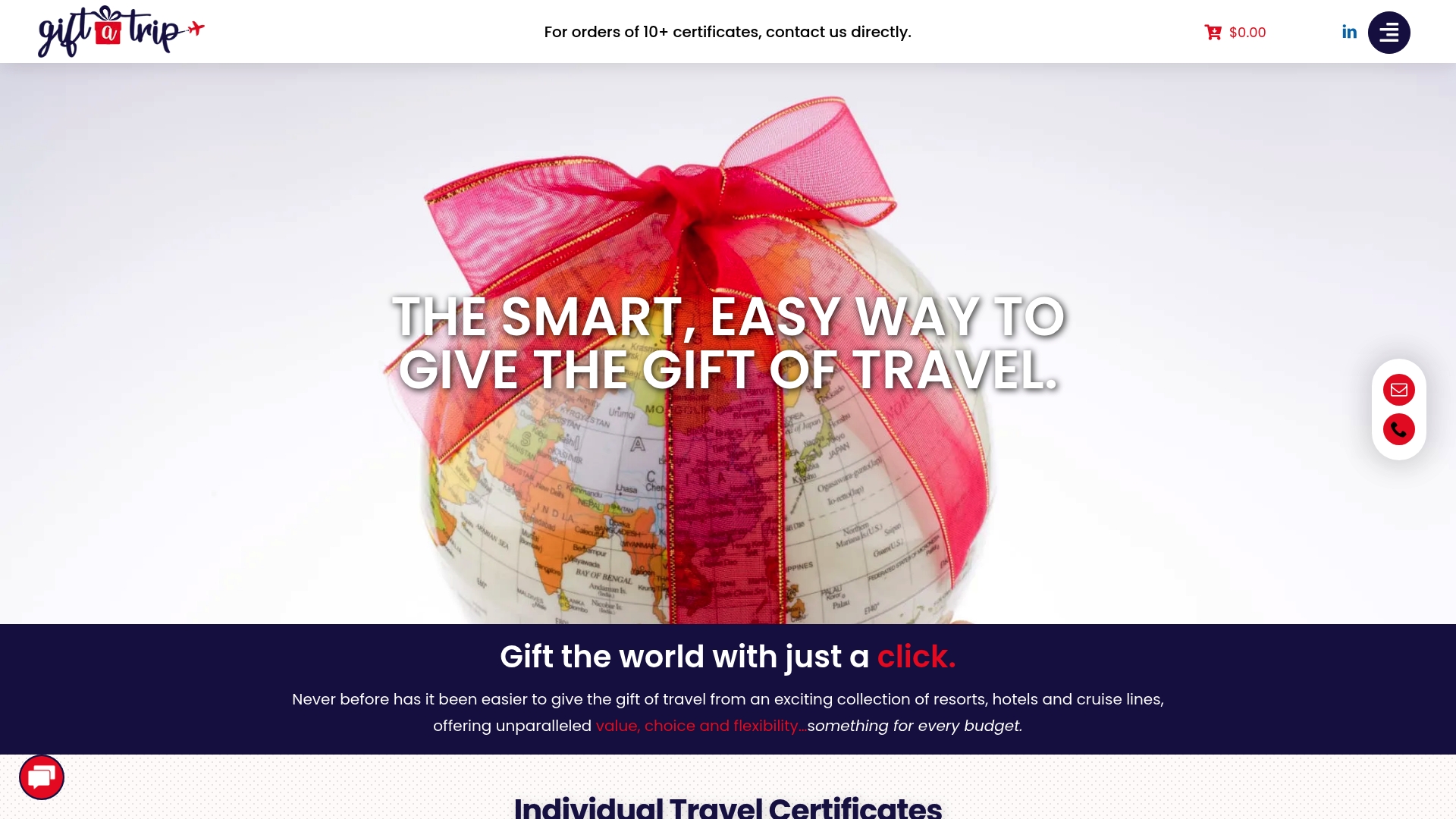
Giftatrip offers digital travel certificates redeemable at major resorts, hotels, cruise lines, and vacation packages, with taxes and resort fees covered and minimal blackout dates. For HR teams managing distributed workforces, secure digital delivery means every employee receives the same quality of reward regardless of location. Certificates can be customized with personalized messaging and delivered instantly, making them practical for both planned milestone awards and spontaneous spot recognition. For teams ready to add a high-impact tier to their recognition program, vacation package certificates are a concrete next step. You can also review Giftatrip’s travel certificate distribution guide to see how other HR teams have built these rewards into their existing programs.
FAQ
What are the most effective employee recognition ideas?
The most effective ideas are frequent, personalized, and tied to specific behaviors. Weekly public shout-outs, handwritten notes, peer-to-peer platforms, and experience-based rewards like travel certificates consistently outperform generic annual awards.
How often should employees be recognized?
Weekly recognition is the benchmark. Weekly recognition boosts productivity 2.6x and retention 6x compared to infrequent programs, making frequency the single most important variable in any recognition strategy.
What is the difference between formal and informal recognition?
Formal recognition includes structured programs like annual awards and milestone celebrations. Informal recognition covers spontaneous gestures like verbal thank-yous, Slack messages, and handwritten notes. Both are necessary; informal recognition fills the daily gaps between formal events.
Are low-cost recognition ideas actually effective?
Yes. High-impact recognition often comes from low-cost, high-frequency actions tied to company values, such as shout-outs and handwritten notes. Budget size does not determine program effectiveness; consistency and personalization do.
How do travel certificates work as employee rewards?
Travel certificates from platforms like Giftatrip are digital gifts redeemable for resort stays, hotel bookings, cruise lines, and vacation packages. They are delivered securely by email, cover taxes and resort fees, and serve as a memorable top-tier reward for milestones, top performers, or annual award programs. Learn more about incentive trips as recognition and how they drive sustained performance.