
Secure digital travel certificates are digital gift certificates redeemable for stays, cruises, or vacation packages. Before you buy, check whether the five-year expiration floor and fee disclosures apply to the certificate, review redemption and refund rules, and choose a provider that explains its digital delivery process. If you’re gifting employees, loop in payroll first, because these gifts are generally taxable wages.
TL;DR:
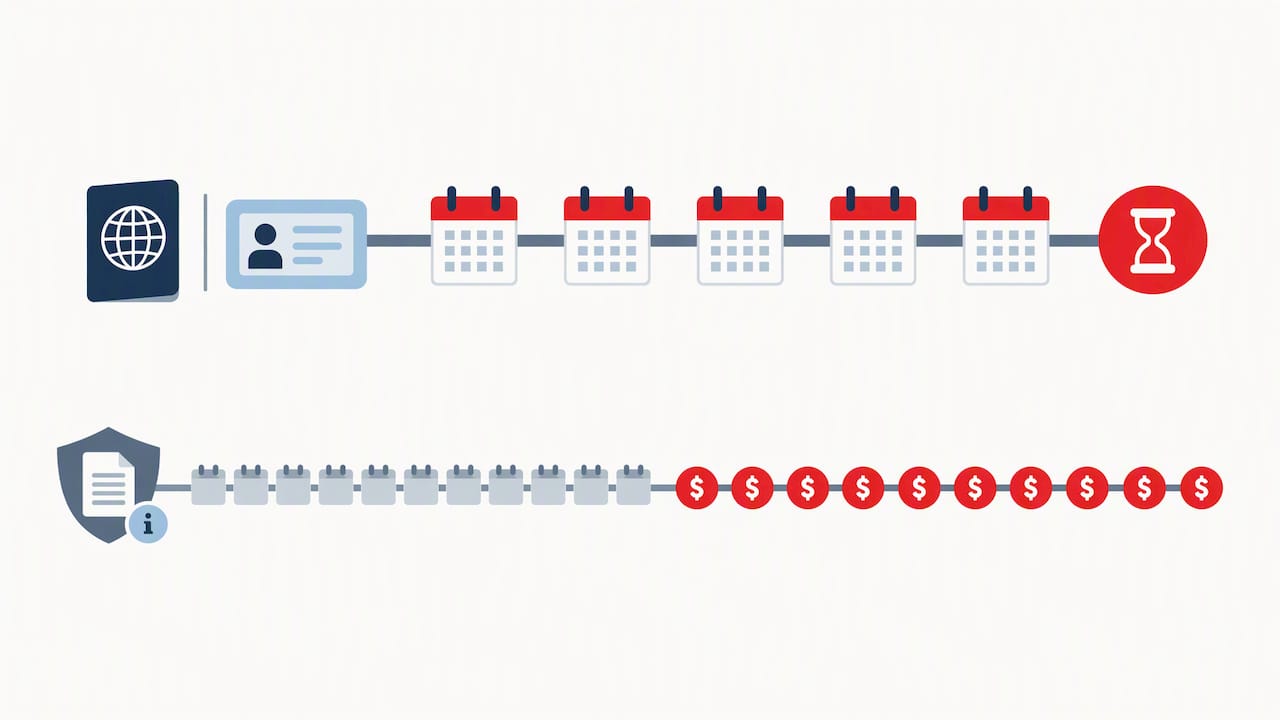
- Federal rules generally bar expiration before five years after issuance or last loading; disclosed inactivity fees may start after twelve months, at most monthly.
- Employers should treat employee certificates as taxable cash equivalents, report their value as wages, and coordinate withholding with payroll before distribution.
- Before paying, confirm total costs include taxes and resort fees, then get written cancellation, transferability, blackout, and extra fee terms from the provider.
- Buy only from the issuer or an established marketplace; verify the sender domain, value, terms, and activation confirmation, and never share codes with unsolicited contacts.
- Airline refunds are due within seven business days for card payments or twenty calendar days otherwise; airline credits must last at least five years.
Table of Contents
- What are secure digital travel certificates and why do buyers choose them?
- Which legal and tax rules should you check before buying?
- How do you avoid fraud when buying digital travel certificates?
- What should you check at the point of purchase?
- How should HR and finance handle corporate distribution?
- What happens when recipients redeem, and how long do refunds take?
- Why do I think this checklist matters?
- How can we help you gift travel with confidence?
- FAQ
- Sources
What are secure digital travel certificates and why do buyers choose them?
A secure digital travel certificate is a gift redeemable for travel: resort stays, cruises, or vacation packages. It is not a travel health document, which is a different subject entirely. Certificates may arrive as an email with a redemption code, a downloadable PDF, or a code entered at a redemption portal.
Buyers choose them for a few practical reasons:
- Personalization: you can add a message or branded presentation for the recipient.
- Perceived value: a trip feels more memorable than a generic card.
- Bulk ordering: organizations can send many certificates at once.
- Convenience: digital delivery avoids the need to ship a physical envelope.
They differ from generic gift cards because they are often tied to travel inventory, which can bring blackout dates or booking rules. Our Flex Trip Collections are one example of a format built around flexible redemption. Read those terms before you pay.
Which legal and tax rules should you check before buying?
For gift certificates and store gift cards covered by federal rules, the expiration date cannot be earlier than five years after issuance or the date funds were last loaded. Inactivity fees are allowed only after 12 months of non-use, at most once per month, and they must be disclosed. The FTC’s gift card guidance says the same and adds that you should buy from trusted sources and read terms carefully. For more information, see our guide to gift card expiration laws.
Employee gifts are the tax trap. Payroll guidance treats gift certificates and gift cards as cash equivalents, generally taxable to employees and included in wages on Form W-2. The IRS’s Publication 15-B confirms that such items are not excludable as achievement awards.
Practical steps:
- Keep receipts for every purchase.
- Get the provider’s written terms before paying.
- Ask payroll or tax counsel to review any large program.
How do you avoid fraud when buying digital travel certificates?
Gift cards and certificates can be targets for scams. The FTC warns that gift cards should only be used as gifts, never as payment to someone who asks for them. Anyone demanding payment in gift cards, or pressuring you to act immediately, is a red flag.
Buy from the issuer’s own site or an established marketplace, not from an unknown “digital gift card” seller. Then verify the delivery:
- Check that the email comes from the provider’s real domain.
- Confirm the certificate value and terms match your order.
- Look for an activation or order confirmation.
- Never share codes or PINs with anyone who contacts you unprompted.
- If a physical box is involved, inspect the packaging for tampering.
Pro Tip: Keep your receipt. It may help if you need to contact the issuer or report a problem.
If fraud does happen, contact the issuer right away, keep every receipt, and ask your card company about a dispute.
What should you check at the point of purchase?
Use this list before you click buy, whether the gift is personal or for a team:
- Total cost: confirm taxes and resort fees are included, since hidden charges at redemption sour the gift. Our piece on resort fees and travel gifts discusses costs to check before buying.
- Expiration and fees: the stated policy should be consistent with the federal rules above.
- Redemption mechanics: find out whether recipients use a portal or an agent, what blackout dates apply, and whether the certificate can be transferred.
- Delivery and customization: look for secure email delivery, branded packaging, and bulk options for larger orders.
- Support: know who handles refunds and how to escalate a problem.
For more on avoiding surprises, see our guide to travel gift certificates without expiration or booking restrictions.
How should HR and finance handle corporate distribution?
Treat certificates as taxable wages from day one. Include their value on Form W-2 and handle withholding with your payroll team. Our HR primer on corporate travel certificates covers the basics.
A repeatable process keeps the program audit-ready:
- Get procurement sign-off and record the business purpose.
- Store the provider’s written terms and every receipt for audit retention.
- Choose a secure distribution method for bulk orders, such as unique codes per recipient with delivery tracking.
- Require redemption confirmations from recipients.
- Reconcile redemptions against payroll records and invoices each period.
Our distribution guide for HR and events walks through the logistics in more detail.
What happens when recipients redeem, and how long do refunds take?
The usual flow is simple: the recipient enters a code, creates a portal account if needed, and picks dates. Our redemption process guide lays out the steps.
- When an airline owes a refund, the Department of Transportation requires it within 7 business days for credit-card payments and 20 calendar days for other payment forms.
- Travel credits or vouchers an airline offers must be valid for at least five years and clearly disclose restrictions.
- Confirm transferability and blackout rules before you buy.
- If a third party is involved, ask how extra fees and cancellations are handled. Direct-booking lodging policies show how widely cancellation terms vary.
Pro Tip: Ask before you buy. Request cancellation and change terms in writing, so the recipient isn’t the one discovering them.
Why do I think this checklist matters?
I’m Donovan, and I advise gift buyers and HR teams on travel certificate programs. Our priorities are secure delivery, clear pricing, and tools that make corporate distribution manageable. In my view, most problems come from skipped fine print, not from the gift itself. Run through the checklist and your recipients face less friction, and your team carries less administrative risk.
— Donovan
How can we help you gift travel with confidence?
We built our offering around the checklist above. Our Flex Trip Collections give recipients flexibility, while our corporate gifting solutions cover bulk orders, custom branding, and trip selection sites. Our redemption guide helps recipients through the process. Check the provider’s terms for details about delivery, taxes, and fees. For a branded physical presentation, Red Box Delivery is available as a one-off.

Ready to buy? Browse our corporate gifting page or request a quote for your bulk order today.
FAQ
Do digital travel certificates expire?
For gift certificates and store gift cards covered by federal rules, money generally cannot expire sooner than five years from issuance or the date funds were last loaded. Always read the specific terms, since individual travel products may add booking windows or blackout dates.
Are travel certificates taxable when given to employees?
Generally yes. Payroll and IRS guidance treat gift certificates as cash equivalents, so employers typically include them in wages. Check with your payroll team or tax counsel before launching a program.
How can I tell a secure digital certificate from a scam?
Buy directly from the issuer or an established marketplace, and confirm the sender’s domain and your order confirmation. Never pay anyone in gift cards, as the FTC advises.
What if a digital certificate is lost or stolen?
Contact the issuer immediately and share your receipt and order details. Prompt reporting gives you the best chance of recovery or reissue.
Sources
- Fdic
- Payroll
- FTC Has Gift Card Tips for Holiday Buying | Federal Trade Commission
- Refunds | US Department of Transportation
- Consumer