Jump to Section:
TL;DR:
- Experiential gifts create lasting memories and stronger emotional bonds compared to physical items.
- Personalization and flexibility enhance recipient satisfaction and ensure the experience matches their interests.
- Thoughtful, smaller experiences often outperform expensive gifts in building gratitude and loyalty.
Finding a gift that actually lands is harder than it sounds. Most people have enough stuff, and another candle or gift basket rarely generates more than a polite thank you. Experiential gifting flips that script by giving people something they will talk about for years. Research consistently shows that experiences create stronger emotional bonds and more meaningful memories than physical items. In this article, you will learn the psychological reasons why experiences outperform material gifts, how they strengthen relationships at home and at work, why flexibility and personalization matter, and how to compare your options so every gift you give actually counts.
Table of Contents
- Why experiential gifts leave a lasting impact
- Social connection: Elevating relationships through experiences
- Personalization and flexibility: Why recipients value choice
- Comparing experiential gifts and traditional gifts
- A new era of gifting: Why small, meaningful experiences beat big purchases
- Take action: Gift unforgettable experiences today
- Frequently asked questions
Key Takeaways
| Point | Details |
|---|---|
| Deeper emotional impact | Experiential gifts create memories and gratitude that last far longer than material items. |
| Stronger relationships | Giving experiences strengthens personal and professional bonds between giver and recipient. |
| Personalization and flexibility | Flexible, tailored experiential gifts are better received and more often remembered. |
| Preferred for rewards | Most employees and travelers prefer experiential travel gifts over traditional objects. |
| Thoughtfulness over price | Meaningful experiences don’t need to be expensive—careful selection matters most. |
Why experiential gifts leave a lasting impact
There is a reason people remember their first concert far more vividly than the shirt they got that same year. Experiences are processed differently in the brain. They attach to identity, emotion, and relationships in ways that objects simply cannot. When you give someone an experience, you are not just giving them an activity. You are giving them a story.
Research confirms this at a deep level. Experiential gifts elicit greater gratitude and social connection than material gifts through the construal of more meaningful memories. That is not a small distinction. Greater gratitude means the recipient thinks about you more positively, and for longer, after the gift is given.
Here is what drives that emotional power:
- Anticipation: The period before an experience, the planning, the countdown, the excitement, adds value that a physical item cannot replicate.
- Emotional intensity: Experiences are lived in real time, which makes them emotionally vivid and far more memorable.
- Storytelling: People retell experiences at dinner tables and in meetings. A trip to a resort becomes a story that keeps giving.
- Identity alignment: Experiences feel personal. They say “I know who you are” in a way that generic gifts never do.
“Experiences create memories that become part of who we are. Objects become clutter.”
For corporate managers, this is especially relevant. When you reward a team member with an experience rather than a bonus card for a generic retailer, you are signaling that you see them as a whole person, not just a productivity unit. That distinction matters enormously for retention and morale.
Understanding the experience gifting process can help you move from the idea stage to actual delivery without the usual headaches of coordinating schedules or guessing preferences.
Pro Tip: Match the experience to something the recipient is genuinely passionate about. A travel lover does not want a cooking class. A foodie does not want a skydiving voucher. Relevance is what turns a good gift into a great one.
Social connection: Elevating relationships through experiences
Gifts do more than transfer value from one person to another. They communicate care, attention, and investment in a relationship. Experiential gifts do this better than almost anything else, but the research adds a nuance that most people miss: frequency matters.
Rare experiential giving fosters stronger social connections, highlighting a trade-off with frequency. In other words, giving experiences constantly can actually dilute their impact. One well-chosen, memorable experience beats a dozen forgettable ones.
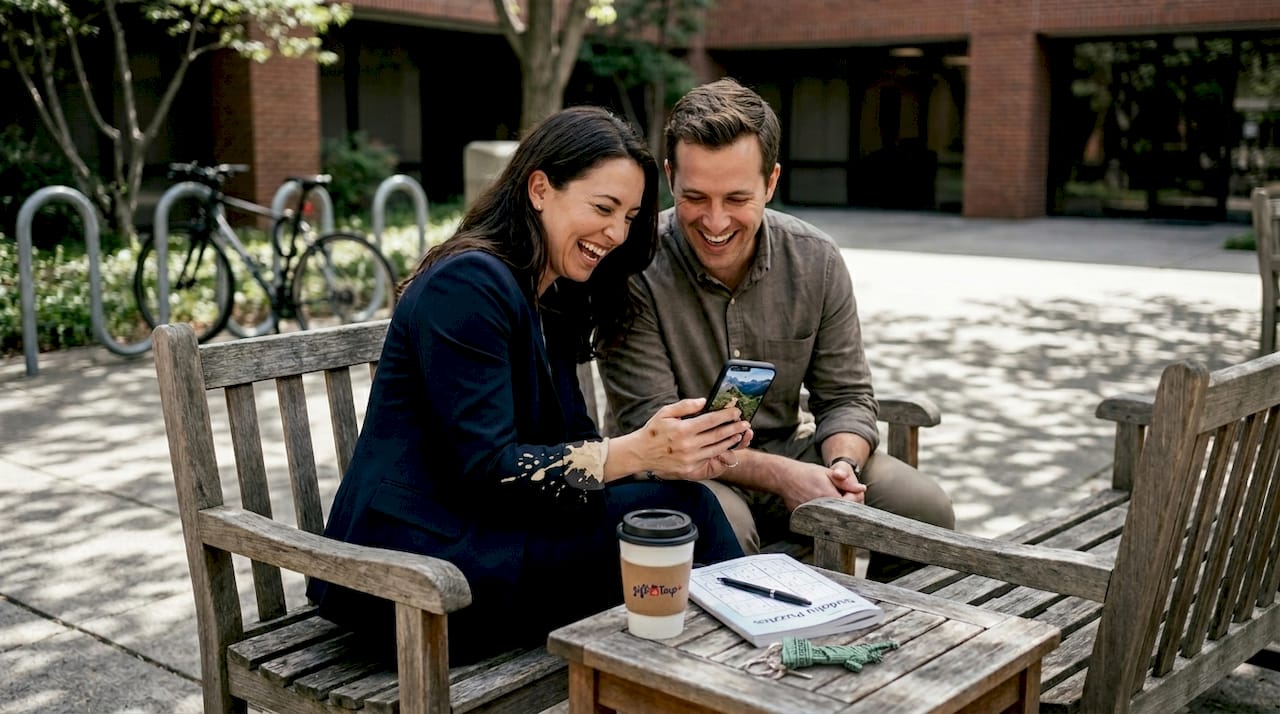
This has real implications for how you approach gifting, whether you are celebrating a personal milestone or running a corporate recognition program.
For personal occasions:
- Anniversaries: A weekend getaway at a resort creates a shared memory that deepens the relationship.
- Birthdays: A unique travel experience tells the recipient you put real thought into what they love.
- Milestones: Graduations, promotions, and retirements deserve something that marks the moment, not just fills a shelf.
For corporate settings:
- Employee recognition: Rewarding top performers with travel gift packages signals genuine appreciation and motivates the whole team.
- Sales incentives: Travel rewards are consistently ranked among the most motivating incentives for sales teams.
- Team milestones: Celebrating a project win with a shared or individual travel reward builds loyalty.
The emotional mechanics behind this are well understood. Experiential gifting works via emotional intensity during consumption, meaningful memory construal, and anticipation, leading to higher gratitude and stronger bonds between givers and recipients.
For HR leaders and managers exploring corporate recognition gifting, travel experiences consistently outperform merchandise and cash equivalents when it comes to emotional resonance and long-term recall.
“The best gifts are not the most expensive. They are the ones that feel impossible to forget.”
Pro Tip: Resist the urge to give experiences frequently just because they work. Saving them for genuinely meaningful moments amplifies their impact and keeps recipients looking forward to what comes next.
Personalization and flexibility: Why recipients value choice
Even the most thoughtful experience can fall flat if it does not fit the recipient’s schedule, preferences, or lifestyle. This is one of the most common pain points in experiential gifting, and it is entirely solvable with the right approach.
Flexibility is not a compromise. It is a feature. When you give someone a travel certificate or an experience gift card, you are giving them the power to choose when and how they enjoy it. That autonomy actually increases satisfaction because the recipient feels respected, not managed.
Some employees prefer flexible gift cards over fixed experiences like team lunches precisely because personalization matters. A mandatory group outing can feel like an obligation. A travel certificate feels like a reward.
Here is what flexibility in experiential gifting looks like in practice:
- Open scheduling: Recipients choose their travel dates, avoiding the awkwardness of a gift that conflicts with their calendar.
- Destination choice: Certificates redeemable across multiple resorts or cruise lines give recipients genuine control.
- Transferability: Some certificates can be shared or gifted onward, adding another layer of thoughtfulness.
- Bundling options: Adding travel essentials like excursion credits or dining packages lets recipients customize their experience.
Travel certificates have surged in popularity for exactly these reasons. They combine the emotional power of an experience with the practical convenience of a gift card. For individual travel rewards programs, this format consistently scores higher in recipient satisfaction surveys than fixed-format experiences.
Pro Tip: When giving a travel certificate, include a personal note explaining why you chose a travel experience specifically for them. The gesture of explanation adds emotional weight that transforms a practical gift into a deeply personal one.
Comparing experiential gifts and traditional gifts
To make smart gifting decisions, it helps to see the differences laid out clearly. Here is a direct comparison across the factors that matter most.
| Factor | Experiential gifts | Traditional/material gifts |
|---|---|---|
| Memorability | Very high, linked to identity and emotion | Moderate, fades as novelty wears off |
| Flexibility | High, especially with certificates | Low, fixed item with no customization |
| Cost satisfaction | High when thoughtful, not necessarily expensive | Can feel impersonal regardless of price |
| Social impact | Strengthens bonds and creates shared stories | Minimal relational impact in most cases |
| Recipient control | High with open-format certificates | None, recipient gets what they get |
When to choose experiential gifts:
- Celebrating a major personal milestone like an anniversary, honeymoon, or retirement.
- Rewarding a high-performing employee or sales team member.
- Marking a corporate achievement or project completion.
- Giving a gift that needs to stand out from the crowd.
When traditional gifts still work:
- Quick, practical needs where an object is genuinely useful.
- Situations where the recipient has expressed a specific material preference.
- Group gifts where coordination makes an experience impractical.
The data strongly favors experiences. 86% of travelers prefer experiential travel gifts over material items, which tells you a lot about where recipient preferences are heading. And price is not the deciding factor. Overly expensive gifts can reduce recipient satisfaction due to an inverted U-shape relationship with price. Thoughtfulness consistently beats dollar amount.
For managers building unforgettable corporate rewards programs, this is liberating news. You do not need a massive budget to create a gifting moment that resonates. You need intention and the right format. Pairing that with experience-based rewards that offer real flexibility gives you the best of both worlds.
Pro Tip: Avoid the trap of equating gift quality with gift price. A well-chosen travel certificate for a destination someone has always dreamed of visiting will outperform an expensive generic gadget every single time.
A new era of gifting: Why small, meaningful experiences beat big purchases
Here is something most gifting advice gets wrong: bigger is not better. The conventional wisdom that a more expensive gift shows more care is not just unhelpful, it is actively counterproductive. Research shows that rare giving amplifies benefits, while mismatched interests or scheduling conflicts can reduce effectiveness even for well-intentioned gifts.
What we have learned from working with both individual gift-givers and corporate HR teams is that the gifts people remember most are rarely the priciest ones. They are the ones that felt considered. A weekend at a resort that matches someone’s love of the ocean will be talked about for years. A generic luxury item will be forgotten within months.
For HR managers and individuals alike, the practical takeaway is this: invest your energy in understanding what the recipient genuinely values, then find an experience that delivers exactly that. Explore top travel gift ideas that prioritize meaning over magnitude. The return on that investment, in gratitude, loyalty, and relationship strength, is far greater than anything a price tag alone can buy.
Take action: Gift unforgettable experiences today
You now have the research, the framework, and the comparison tools to give gifts that genuinely matter. The next step is putting it into practice.
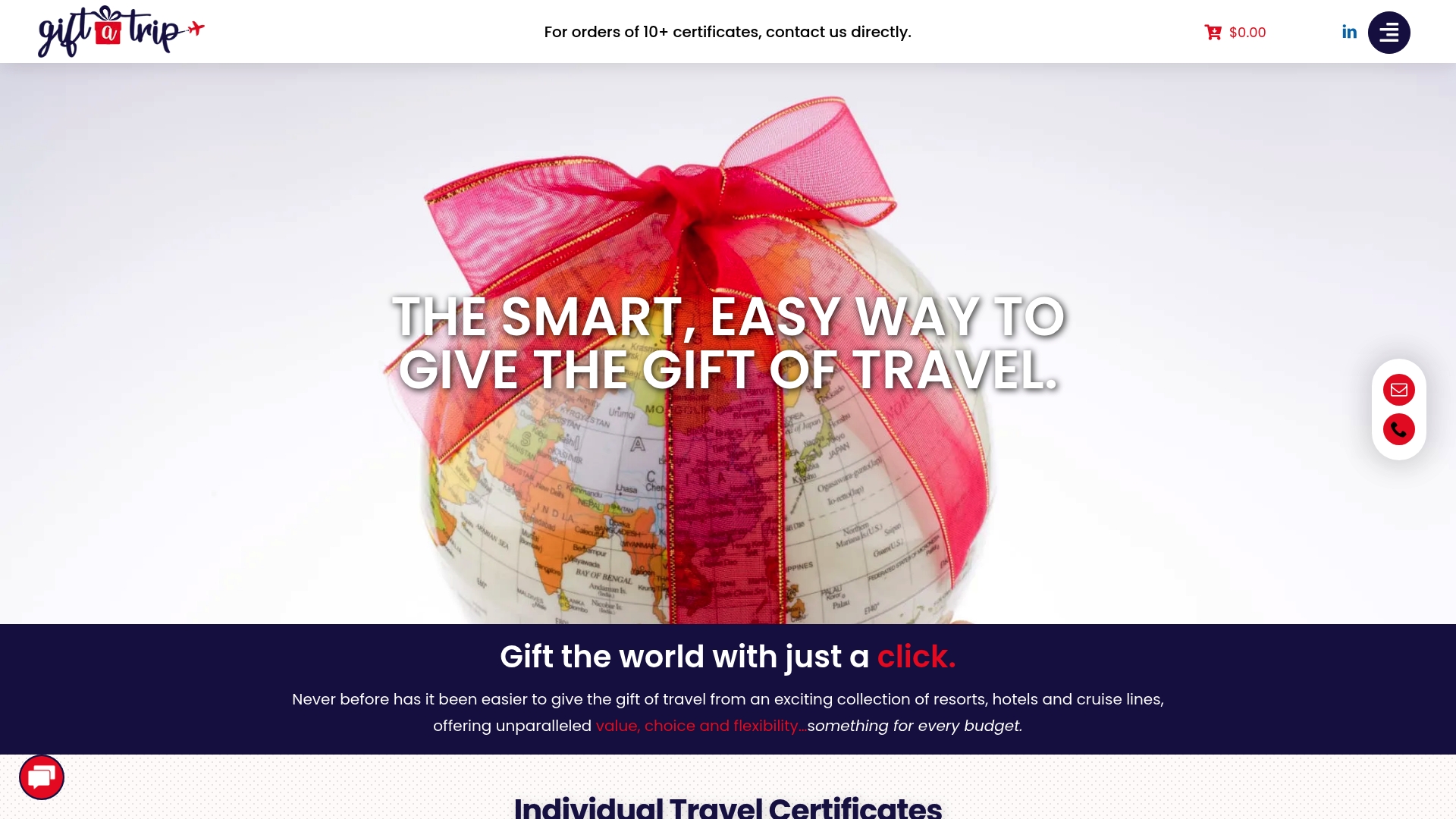
At Gift A Trip, we make it easy to send digital travel gifts that arrive instantly and leave a lasting impression. Whether you are looking for a luxury escape like Virgin Voyages cruise gifts for a top performer or exploring flexible travel certificates for a personal celebration, we have options that fit every occasion and budget. Taxes and resort fees are covered, blackout dates are minimal, and personalized messaging makes every gift feel custom-made. Give the gift of anticipation, adventure, and memory.
Frequently asked questions
What makes experiential gifts more memorable than material gifts?
Experiential gifts elicit greater gratitude and social connection than material gifts by creating more meaningful memories tied to emotion and identity, effects that physical items rarely produce.
What are the potential downsides to experiential gifting?
Mismatched interests or scheduling conflicts can reduce impact, but rare and personalized gifts consistently maximize value and minimize these risks.
Are experiential gifts popular among employees?
Yes. Employees prefer flexible gift cards over fixed group outings, and 86% of travelers prefer experience-based gifts over material items.
Are experiential gifts suitable for every occasion?
They work best for personal milestones and business recognition, but they should always be matched to the recipient’s interests and offered with flexible timing to ensure a great fit.
Do experiential gifts need to be expensive to be meaningful?
No. Thoughtfulness outperforms price every time, and research shows that extremely expensive gifts can actually reduce recipient satisfaction.