Jump to Section:
TL;DR:
- Effective charity travel auctions feature limited, exclusive packages that appeal to specific donor demographics and are sold with flexible redemption options. Ensuring legal compliance, strategic promotion, and prompt follow-up significantly boost auction success and donor retention. Giftatrip offers digital certificates with minimal risk, simplifying procurement, and fulfillment for organizers.
The most effective charity events featuring travel auctions share three non-negotiable qualities: premium item selection, airtight legal compliance, and a donor engagement plan that starts weeks before the event. Get all three right and travel packages consistently deliver strong auction returns compared to gift baskets or local experiences. Miss any one of them and you leave real money on the table.
Here is what experienced organizers do from day one:
- Limit travel packages to 3–5 exclusive offerings. Capping at this range maintains bidder competition and prevents donor dilution.
- Set opening bids at or above your nonprofit cost. Never open below what you owe the consignment provider to protect your minimum return.
- Choose packages with flexible redemption windows. Flexible travel windows attract broader bidder interest than fixed-date or blackout period packages.
- Decide on live vs. silent format early. Live auctions drive higher bids on premium packages; silent auctions work better for mid-tier items with broader appeal.
- Run compliance checks before you book the venue. Gaming laws, sales tax obligations, and solicitation registration requirements vary by state and can derail an event if discovered late.
Table of Contents
- How do you select travel auction items that actually drive bids?
- What legal and compliance requirements apply to US charity travel auctions?
- How do you maximize donor engagement at a travel auction?
- How Giftatrip simplifies charity travel auction planning
- Key planning tips for charity events featuring travel certificates
- Best practices to maximize donor engagement at travel auctions
- Strategies for promoting and marketing charity events featuring travel auctions
- How do you manage travel gift certificate redemptions after the auction?
- How do you set reserve prices and bid increments for travel packages?
- How do you handle partnerships and sponsorships with travel companies?
- How do you follow up with bidders after the auction to retain donors?
- Giftatrip travel certificates: ready for your next auction
- Key Takeaways
- FAQ
How do you select travel auction items that actually drive bids?
Donor demographics determine everything here. Urban professionals tend to respond to international city packages and boutique resort stays. Outdoor-focused audiences bid harder on adventure travel. Know your room before you pick your packages.
Capping travel packages at 3–5 exclusive offerings prevents bidder dilution and keeps competitive pressure high throughout the auction. Experienced organizers consistently warn that too many travel items reduce individual interest and lower overall returns. Think of it as scarcity by design.
Presentation matters as much as the destination. Professional photography, vivid descriptions that sell the experience rather than the logistics, and prominent placement in your auction catalog all push bids higher. Pair a silent auction item from the same destination with your live auction travel package. A wine tasting experience in the silent section builds appetite for the Napa Valley resort package on the live stage.
Pro Tip: Use consignment travel packages to eliminate upfront financial risk. With a no-risk consignment model, your organization pays only if the package sells and keeps everything above the nonprofit cost. Boards and finance committees love this structure.
What legal and compliance requirements apply to US charity travel auctions?
Compliance is where well-intentioned events get into trouble. Charity auctions in most US states are classified as games of chance, which means state and local gaming laws apply. Fines, license revocation, and reputational damage are all real consequences of skipping this step.
Key compliance areas to address before your event:
- State gaming and raffle laws. Check your specific state’s regulations for games of chance before committing to an auction format. Requirements vary significantly by jurisdiction.
- Sales tax on winning bids. Winning bids are typically subject to sales tax in most US states. Use auction software that automatically calculates and applies the correct rate based on seller and buyer location.
- Unrelated business income tax (UBIT). Annual in-person auctions generally do not trigger UBIT, but a continuous online auction running year-round likely does. Review your format carefully.
- Charitable solicitation registration. Verify your registration status before hosting an event in any new state. Some states require disclosure of registration on all solicitation materials.
- Alcohol licensing and insurance. Both vary by jurisdiction. Contact your insurance broker before the event and confirm your policy covers auction-specific risks.
- Donor acknowledgments. Written acknowledgments must include your organization’s name, a description of the donated property (not its value), your EIN, and a statement about goods or services provided in return.
On tax deductibility: winning bidders can only deduct the amount they paid above the item’s fair market value (FMV). The IRS requires that FMV be clearly published in your auction catalog so bidders can demonstrate they knowingly paid above market rate. Do not put FMV on donor acknowledgment letters for donated merchandise. That valuation is the donor’s responsibility alone.
How do you maximize donor engagement at a travel auction?
Travel packages create emotional bidding competition that outperforms gift baskets and local experiences because the value is instantly understood. A luxury getaway does not need explanation. That clarity increases bidder confidence and pushes prices higher.

Connect each package to your mission. A brief story about how auction proceeds fund a specific program gives bidders a reason beyond the prize itself. Train your auctioneer to weave that narrative into the bidding call, not just read off package features.
Pre-event marketing is where engagement actually starts. Email previews of your top packages 6–8 weeks out. Post destination photos on social media weekly. Send a featured item spotlight two weeks before the event. Bidders who have already mentally “claimed” a package before they walk in the door bid more aggressively.
Pro Tip: Extend your auction’s reach with a digital bidding platform that lets remote supporters participate. Mobile bidding keeps engagement active during dinner and program segments, and outbid notifications pull hesitant bidders back into competition.
How Giftatrip simplifies charity travel auction planning
Giftatrip offers digital travel certificates redeemable at resorts, hotels, cruise lines, and vacation packages from major brands. For charity auction organizers, the platform’s consignment model means no upfront inventory cost and no financial exposure if a package goes unsold.
What Giftatrip provides for auction events:
- Secure digital delivery with customizable gift boxes and personalized messaging
- Certificates with taxes and resort fees included, removing hidden cost surprises for winners
- Minimal blackout dates, which directly supports the flexible redemption windows that drive higher bids
- Options for bulk orders tailored to event scale
- Support for corporate gifting, loyalty programs, and charitable auction workflows
The step-by-step auction certificate guide on Giftatrip’s platform walks organizers through procurement, presentation, and post-auction fulfillment. For organizers new to travel certificates, that workflow removes most of the guesswork.
Key planning tips for charity events featuring travel certificates
Start procurement 6–10 months before your event. Travel certificate sourcing, venue booking, and sponsor outreach all compete for the same calendar, and late starts compress every other deadline.
Build a dedicated fulfillment team. Assign specific people to post-auction certificate delivery, winner communication, and redemption support. Leaving fulfillment to whoever is available after the event creates delays that frustrate winners and damage donor relationships.
Price your catalog strategically. List the retail value and FMV of each certificate clearly. Bidders who understand what they are getting bid with more confidence, and transparent pricing satisfies IRS documentation requirements at the same time.
Best practices to maximize donor engagement at travel auctions
Pair travel packages with complementary silent auction items from the same destination or theme. This approach builds anticipation across the full event rather than concentrating excitement in one moment. A spa package in the silent section and a resort stay in the live auction reinforce each other.
Assign a team member specifically to bidder engagement on the floor. Their job is to answer questions about packages, share destination details, and gently encourage hesitant bidders. This role is often overlooked but consistently moves bids on mid-tier items.
Follow up within 48 hours. Donors who receive prompt, personal acknowledgment after an event are more likely to attend and give again. Use your platform’s export tools to pull winner records and send notes that reference what each person won.
Strategies for promoting and marketing charity events featuring travel auctions
A structured promotion timeline beats ad-hoc posting every time. Send a save-the-date 3–4 months out. Preview your top travel packages 6–8 weeks before the event. Send featured item spotlights two weeks out. Drive final urgency with a countdown in the last 48 hours.
Social media works best when you show the destination, not just describe it. Post photos of the beach, the resort lobby, the cruise deck. Pair visuals with a one-line mission reminder. Ask supporters to share. Reach compounds when your existing donors become promoters.
Email your full list when bidding opens and again at the halfway point. Many bidders wait until the final hours, so a reminder the day before closing captures that last-minute surge. For vacation rental and travel package valuation context that helps you write compelling descriptions, revenue-focused travel insights can sharpen your copy.
How do you manage travel gift certificate redemptions after the auction?
Deliver certificates within 48 hours of the auction close. Digital certificates from platforms like Giftatrip can be sent immediately, which sets a professional tone and reduces winner anxiety about whether their prize is real.
Document every redemption. Track which certificates have been delivered, activated, and redeemed. This data protects your organization if a winner disputes a transaction and helps you evaluate package performance for future events.
Communicate redemption instructions clearly. Winners who struggle to book their travel become frustrated donors. A one-page guide covering how to redeem, who to contact for support, and what the certificate covers prevents most post-event complaints.
How do you set reserve prices and bid increments for travel packages?
Set your opening bid at or above your nonprofit cost on every travel package. Opening below cost is a floor you cannot afford to miss. For packages with broad appeal, starting at 30%–50% of retail value generates early momentum without sacrificing your minimum return.
Bid increments should be large enough to move the total meaningfully but small enough to keep competition alive. For a $1,000 package, $50 increments work better than $10 or $200. The goal is a rhythm that feels competitive without pricing out engaged bidders.
Reserve prices on high-value items protect your best donations. Set the reserve at or just above your nonprofit cost, not at retail value. A reserve that is too high kills bidding before it starts.
How do you handle partnerships and sponsorships with travel companies?
Approach travel companies with a clear value exchange. Offer logo placement in your auction catalog, event signage, and social media mentions. The IRS allows sponsor acknowledgment to include a company’s name, logo, and contact information without triggering unrelated business income tax, as long as your organization provides no comparative endorsement of their products.
Consignment partnerships with travel certificate providers like Giftatrip remove the negotiation burden entirely. The financial terms are fixed, the packages are pre-curated, and your organization carries no inventory risk. For organizers without existing travel industry relationships, this is the most practical starting point.
Vet every partner before signing. Confirm that packages include professional fulfillment, concierge support for winners, and clear terms on blackout dates and expiration. A package that falls apart during redemption reflects on your organization, not the provider.
How do you follow up with bidders after the auction to retain donors?
Segment your post-event outreach. Winners, active bidders who did not win, and attendees who did not bid all represent different relationship stages. Winners need fulfillment and a thank-you. Unsuccessful bidders are warm prospects for your next event or a direct donation ask. Non-bidders may need a different engagement approach entirely.
Send personalized acknowledgment letters to every winner and every donor who contributed auction items. Reference what they won or gave. Generic mass emails after an event signal that your organization treats donors as transactions. Specific, timely notes signal that you noticed them.
Track which packages generated the most competitive bidding and which sat flat. That data shapes your item selection for the next event and tells you which donor segments are most engaged with experiential auction items. Retention starts with knowing what worked.
Giftatrip travel certificates: ready for your next auction
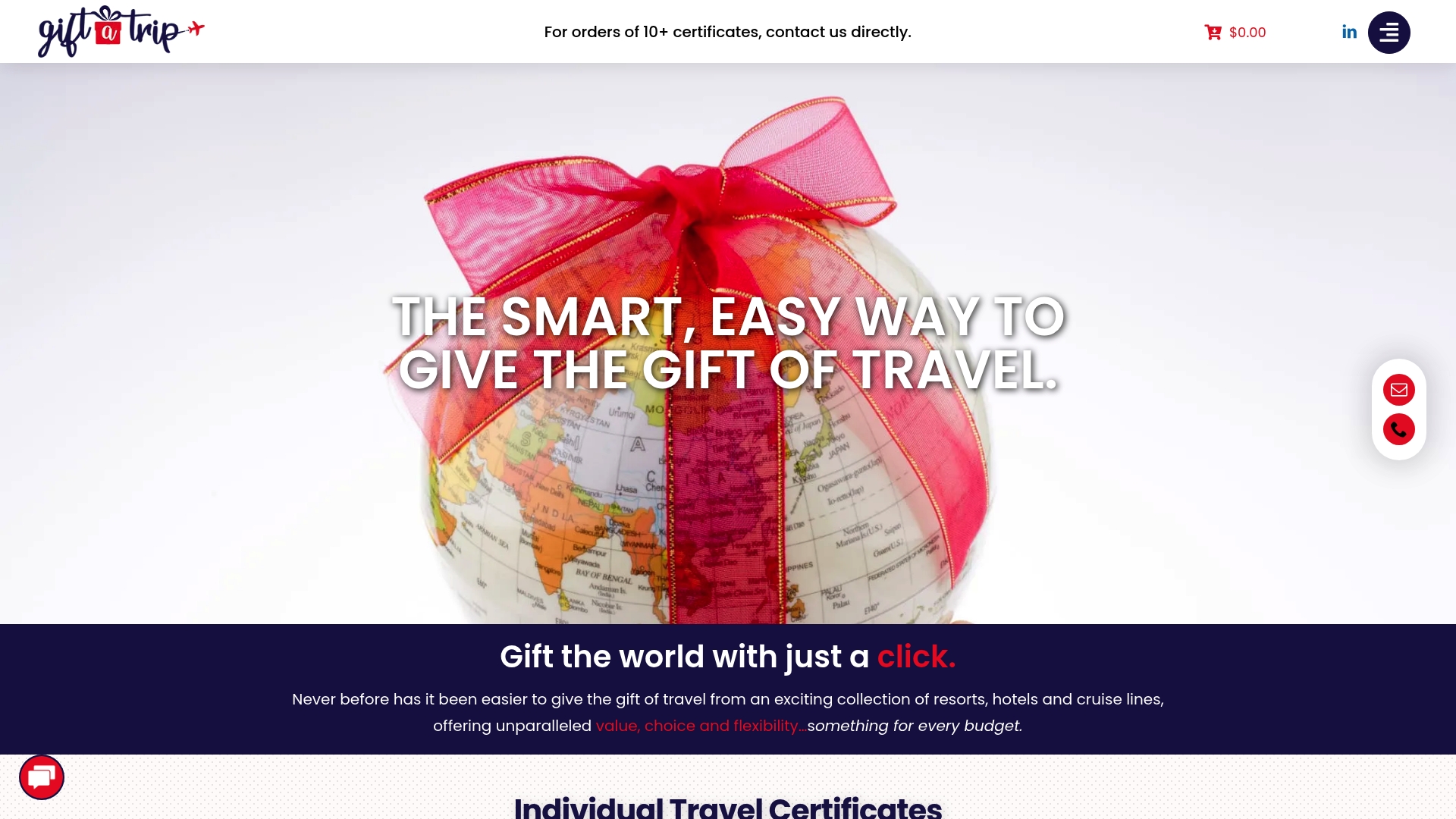
Giftatrip’s flexible travel certificates are built for charity auction use. Certificates cover taxes and resort fees, carry minimal blackout dates, and arrive via secure digital delivery. Whether you need a single premium package for a live auction anchor or bulk certificates for a multi-item event, Giftatrip’s catalog includes resort stays, cruises, and vacation packages from recognized brands.
Explore cruise certificates and resort options directly on the Giftatrip platform, or use the travel rewards fundraising guide to match packages to your donor base before your next event.
Key Takeaways
Successful charity travel auctions require premium item curation, legal compliance, and structured donor follow-up working together from the first planning meeting through post-event outreach.
| Point | Details |
|---|---|
| Limit travel packages | Cap offerings at 3–5 exclusive packages to maintain competitive bidding and prevent donor dilution. |
| Protect your floor | Set opening bids at or above your nonprofit cost; never open below what you owe on a consignment package. |
| Use flexible redemption windows | Packages redeemable within 12–18 months attract broader bidder interest than fixed-date offerings. |
| Comply before you promote | Check state gaming laws, sales tax obligations, and solicitation registration before committing to an auction format. |
| Follow up within 48 hours | Prompt, personalized post-event acknowledgment is the single most effective driver of repeat donor participation. |
FAQ
How many travel packages should a charity auction include?
Cap travel packages at 3–5 exclusive offerings. More than that fragments bidder interest and lowers individual package returns.
Are winning bids at charity auctions tax-deductible?
Only the amount a winning bidder pays above the item’s fair market value is tax-deductible. The FMV must be clearly listed in your auction catalog for donors to claim any deduction.
Do charity auctions trigger unrelated business income tax?
Annual in-person auctions generally do not trigger UBIT because they are not “regularly carried on.” A continuous online auction running year-round likely does and requires careful review.
What redemption window works best for travel auction packages?
Packages with 12–18 month flexible redemption windows consistently attract more bids than those tied to specific dates or restrictive blackout periods.
When should post-auction donor follow-up happen?
Send thank-you messages and winner acknowledgments within 48 hours of the auction close. Donors who receive prompt, personal follow-up are more likely to participate in future events.