Jump to Section:
“Congratulations, you earned a company-paid getaway. Here’s how to claim it.” That single sentence is the core of every great travel incentive announcement: name the reward, confirm who earned it, and point to the next step. Everything else in the email, from eligibility rules to tax notes, exists to support that one line.
TL;DR:
- Nearly all travel rewards are taxable income, and the disclosure must be clear and upfront in the initial email to avoid surprises.
- Providing precise eligibility criteria, trip details, inclusion/exclusion lists, and a clear deadline significantly reduces follow-up questions and booking issues.
- Multiple scheduled reminders via email, combined with team announcements and manager nudges, improve redemption rates and program visibility.
- Testing the redemption link, verifying support contacts, and tracking engagement metrics are essential before and after the send to ensure smooth delivery.
- Personalization tokens and varied messaging templates help tailor communications for different audiences, increasing the likelihood of a successful redemption.
Table of Contents
- What to include in the announcement email
- Subject lines and openers that get opened and acted on
- Payroll and tax treatment administrators must disclose
- Building a send cadence that keeps the reward visible
- Three templates you can copy and adapt
- Checklist before and after you hit send
- Why travel rewards land differently than cash
- How Gift A Trip handles delivery and fulfillment for you
- FAQ
- Sources
What to include in the announcement email
A travel incentive announcement earns trust when it answers every question before the recipient has to ask. Skip a detail and your inbox fills with replies instead of redemptions.
Start with eligibility: name the specific criteria (sales target hit, safety milestone reached, tenure achieved) and the period it covers, so nobody wonders if they qualify by mistake. Then describe the trip itself in plain terms: certificate type, what’s covered (airfare, hotel nights, cruise cabin, resort fees), and what isn’t (meals, excursions, travel insurance unless stated). Vague wording here is the single biggest cause of follow-up tickets.
- State the exact redemption link or code and how long it stays active.
- Give a realistic processing window for booking confirmations.
- Add one plain-language sentence noting that the reward is generally taxable income.
- List contacts for payroll questions, HR policy questions, and a program admin or support link for booking issues.
Pro Tip: Put the redemption deadline in the subject line or first sentence, not buried in paragraph three. Deadlines that are easy to miss get missed.
A short note on inclusions also heads off disputes later. Our guide on why offer travel packages as rewards walks through how to describe these inclusions so recipients understand the value without overselling it.
Subject lines and openers that get opened and acted on
Recipients decide whether to open a reward email in about two seconds, so the subject line has to do real work: name the reward and imply action, not mystery.
- Lead with clarity: “You earned a company-paid getaway, next steps inside” beats “Exciting news!” every time.
- Use preview text to reinforce urgency without repeating the subject: “Click to learn how to claim your trip” or “Redemption closes in 30 days.”
- Open the body with a one-sentence restatement of the win and an immediate link to the CTA, so a skimmer who reads only the first line still knows what to do.
Hospitality marketers rely on the same clarity-first approach for guest emails; boutique hotel email best practices offer useful subject-line patterns that translate directly to incentive announcements.
Payroll and tax treatment administrators must disclose
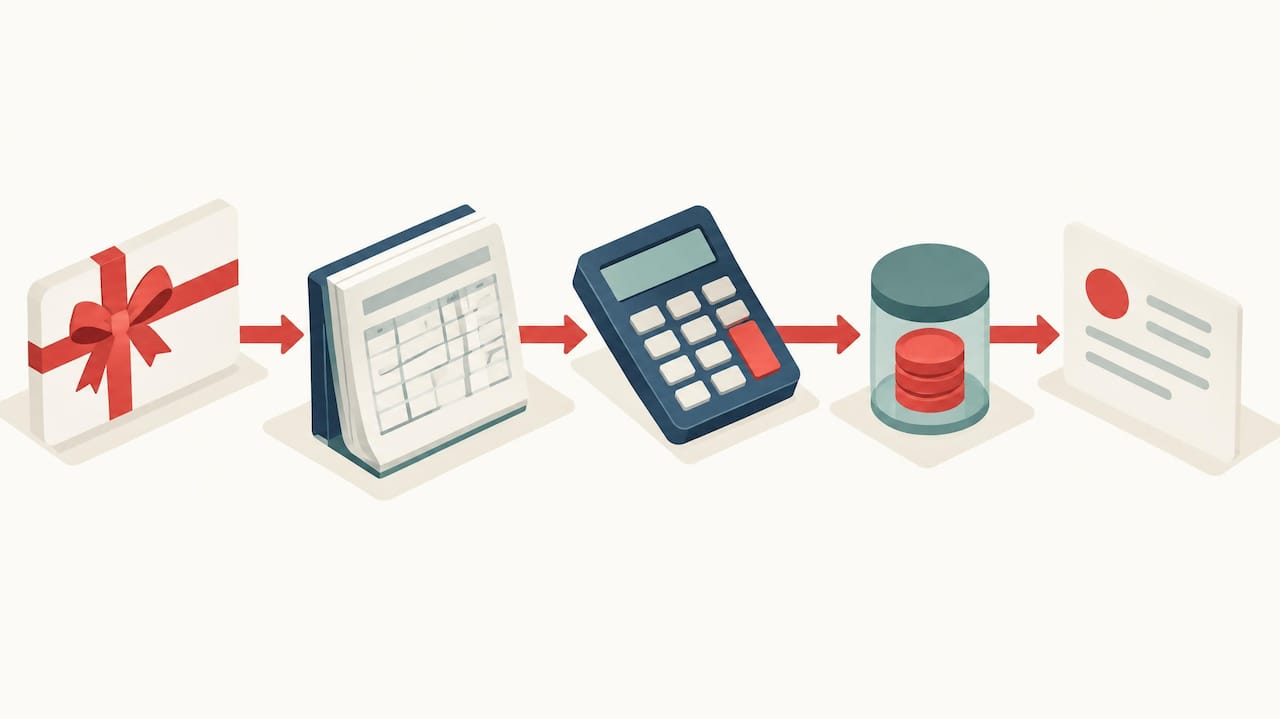
Under Publication 15-B, employer-provided travel rewards and gift certificates are generally taxable fringe benefits that must be included in wages and reported, since they fall outside the de minimis exclusion that covers only small, incidental items. The IRS treats travel certificates as taxable, not de minimis, which means the announcement email needs a clear, upfront disclosure rather than a footnote.
Administrators typically choose from a few practical paths:
- Include the trip’s fair market value in the recipient’s regular wages and withhold taxes normally.
- Treat it as supplemental wages with flat-rate withholding.
- Gross up the award so the employee’s net value matches the intended reward amount.
Loop in payroll before the email goes out, not after, and flag anything unusual to a tax advisor. Disclosing the tax treatment in the same email as the celebration, rather than in a separate follow-up, prevents the “surprise deduction” complaints that erode goodwill.
Building a send cadence that keeps the reward visible
One email rarely carries an incentive program across the finish line. Research on incentive program communications finds that e-mail is among the most effective channels for reaching participants, particularly when paired with repeated touches rather than a single blast.
- Send the launch announcement with full details and a clear deadline.
- Follow up at the one-week mark with a short reminder and the redemption link.
- Send a second reminder at two weeks, highlighting how many days remain.
- Send a final-deadline notice 24 to 48 hours before the window closes.
- Confirm redemption individually once a recipient books, closing the loop.
Pair email with a shout-out in a team meeting, an intranet post, and a quick manager nudge to employees who haven’t redeemed yet.
Pro Tip: Set calendar reminders or automated triggers for each touchpoint the day you send the launch email, so follow-ups never depend on someone remembering.
Three templates you can copy and adapt
Different audiences need different tones. These three cover most corporate scenarios.
- Formal HR announcement: Subject: “You’ve earned a company-sponsored trip, details inside.” Opens with the achievement and criteria, lists trip inclusions and exclusions in bullets, states the tax treatment in one sentence, and closes with a redemption link and HR contact.
- Celebratory team announcement: Subject: “Huge congrats, [Name], your trip is booked and ready.” Leads with enthusiasm and the specific accomplishment, invites the recipient to share the news with the team, then repeats the same trip details and deadline in short bullets.
- Automated or bulk template: Built for larger programs with personalization tokens (name, trip tier, deadline date) pulled from a spreadsheet or HRIS, with a single shared redemption portal link and a support contact for booking issues. Test the merge fields on a small batch before a full send.
For packaging ideas and messaging tone, our guide to gifting travel certificates has practical examples worth borrowing.
Checklist before and after you hit send
Before sending: confirm legal and payroll sign-off, test the redemption link end to end, verify the support contact is monitored, and send a test email to a second inbox to catch formatting errors.
- Confirm eligibility criteria match what payroll and legal have approved.
- Test the redemption flow from the recipient’s point of view.
- Verify customer support can handle booking questions on day one.
After sending, track open rate, click-to-redemption rate, and full redemption completion rate, and report results to stakeholders so the next program can improve. Our corporate travel rewards guide covers these operational steps in more depth.
Why travel rewards land differently than cash
Travel sticks in people’s memory in a way a bonus check rarely does, but only when the rules were clear from the start. The mistakes I see most often are vague eligibility language and a tax surprise dropped on the recipient weeks later, both of which turn a good gesture into a complaint. Get the criteria and the disclosure right, and the reward does the rest.
— Donovan
How Gift A Trip handles delivery and fulfillment for you
We designed our platform to help administrators by providing secure digital delivery, bulk ordering options, personalized messaging per recipient, and certificates that include all relevant fees to avoid surprise bills at check-in. For programs that want a physical moment of celebration, a branded unboxing experience option is available.
Browse our Flex Trip Collections for flexible, fee-inclusive certificates built for corporate gifting, or visit our corporate gifting page to request a quote for custom trip selection sites or bulk airfare vouchers.
FAQ
Is a travel incentive reward considered taxable income?
Yes. Under Publication 15-B, employer-provided travel certificates and similar rewards are generally taxable fringe benefits that must be included in wages, since they don’t qualify for the de minimis exclusion that covers only small incidental items.
What happens if a winner cancels or can’t travel?
Policies vary by employer and by certificate terms, so the announcement email should state your organization’s own rules on transferability, rescheduling, or forfeiture. Checking the certificate provider’s terms before the send date avoids promising flexibility you can’t honor.
Can the announcement email be personalized for each recipient?
Yes, personalization tokens for name, achievement, trip tier, and deadline work well in bulk sends, and a personalized message can also be added to a physical gift box presentation for higher-impact moments.
How long does it take for a recipient to receive and redeem a travel certificate?
Digital delivery is typically near-immediate once an order is processed, while physical Red Box Delivery takes longer due to shipping, so the announcement email should state the specific processing window your program uses.
Should the tax disclosure go in the launch email or a separate message?
Disclosing tax treatment in the same email as the celebration, rather than as a later surprise, tends to reduce complaints and confusion. A short, plain sentence noting that the reward is generally taxable is enough at launch, with payroll handling the specifics separately.
Sources
- Publication 15-B (Employer’s Tax Guide to Fringe Benefits)
- Communications, Technology, Tools and Reporting (Incentive Federation)