Jump to Section:
TL;DR:
- Effective employee reward programs combine monetary, experiential, and non-monetary recognition to boost motivation. Recognizing employees weekly with specific, timely rewards significantly enhances productivity and retention.
Employee rewards are tangible and intangible incentives organizations use to recognize and motivate employees for their contributions. The right reward program directly reduces turnover, raises output, and builds a culture where people want to stay. Research from Achievers shows only 1 in 4 employees feel genuinely appreciated at work, and 67% would increase their effort by 20% if recognized more frequently. That gap is a retention risk every HR manager can close. This guide covers the most effective examples of employee rewards across monetary, experiential, and non-monetary categories, with practical implementation advice grounded in 2026 research.
1. What are the best examples of employee rewards for motivation?
The strongest employee reward programs combine monetary incentives, experiential gifts, and personal recognition. No single category works alone. Achievers’ 2026 research identifies top reward categories as paid time off, wellness perks, coaching, gift cards, points-based rewards, peer recognition, charitable donations, and surprise days off. Each category targets a different motivational driver, which is why layering them produces better results than relying on one type.

2. Monetary rewards: bonuses, spot awards, and gift cards
Monetary rewards are the most direct form of employee recognition. They include performance bonuses, spot bonuses, profit sharing, and gift cards. The key variable is not the amount. Paycor’s 2026 data shows that even a $50 spot bonus, when unexpected and tied to a specific achievement, significantly lifts motivation. Immediacy matters more than size.
Common monetary reward examples include:
- Performance bonuses: Tied to quarterly or annual goals, paid as a percentage of salary.
- Spot bonuses: Small, immediate cash awards given on the spot for exceptional work.
- Profit sharing: A portion of company profits distributed to employees, reinforcing shared ownership.
- Gift cards: Flexible and popular, but carry a tax obligation HR must plan for.
Gift cards require careful handling. Vantage Circle’s 2026 IRS guidance confirms that gift cards are taxable and must be reported through payroll. They do not qualify for the IRS de minimis exclusion. HR teams that skip this step risk non-compliance penalties.
Pro Tip: Pair every monetary reward with a specific, written acknowledgment of what the employee did. The combination of cash and recognition produces a stronger motivational effect than either one alone.
3. Experiential and time-off rewards that drive engagement
Experiential rewards create memories that outlast any cash deposit. Extra paid time off, surprise days off, team outings, volunteer opportunities, and travel certificates all fall into this category. These rewards work because they address employee well-being directly, not just their bank account.
Effective experiential reward examples include:
- Extra PTO: One or two additional days off awarded for hitting a milestone.
- Surprise days off: Unannounced days given after a high-pressure project closes.
- Team outings: Group dinners, sporting events, or escape rooms that build connection.
- Volunteer days: Paid time for employees to support a cause they care about.
- Travel certificates: Redeemable stays at resorts, hotels, or cruise lines, giving employees a genuine vacation to look forward to.
Travel certificates stand out because they are personal, aspirational, and flexible. Giftatrip offers resort and hotel certificates redeemable at major brands, with taxes and resort fees covered and minimal blackout dates. That removes the friction that makes most travel gifts feel complicated.
Pro Tip: Survey your team before selecting experiential rewards. An introvert who dreads group outings will respond far better to a solo resort certificate than a mandatory team event.
4. Non-monetary recognition: personalized and peer-driven rewards
Non-monetary recognition costs little but delivers outsized results when done correctly. Paycor’s 2026 report lists handwritten notes, flexible work, social media shout-outs, and professional development opportunities as high-impact, low-cost recognition tools. The common thread is specificity. Generic praise fades fast. Specific, timely acknowledgment sticks.
Practical non-monetary reward examples:
- Handwritten thank-you notes: A personal note from a manager referencing a specific contribution carries more weight than a mass email.
- Public social recognition: A LinkedIn post or internal Slack shout-out that names the employee and the achievement.
- Flexible scheduling: Letting an employee adjust their hours for a week as a reward for strong performance.
- Professional development: Funding a course, certification, or conference attendance tied to the employee’s career goals.
- Peer-to-peer recognition: Structured programs where colleagues nominate each other for recognition, strengthening team culture.
O.C. Tanner’s research confirms that recognition tied to company values and delivered promptly after an accomplishment is more meaningful than delayed or generic praise. Peer-to-peer programs amplify this effect because recognition from a colleague often feels more credible than top-down acknowledgment.
Pro Tip: Build peer recognition into your existing workflow. A simple Slack channel or a dedicated section in your weekly team meeting costs nothing and creates a habit of appreciation.
5. How to structure a tiered employee reward system
A tiered reward system matches recognition to the scale and timing of employee contributions. Paycor’s 2026 approach to tiered reward strategy organizes recognition into three levels: immediate small rewards, short-cycle tangible rewards, and long-term milestone rewards. Each tier serves a different purpose and targets a different point in the employee motivation cycle.
| Tier | Timing | Examples | Primary Benefit |
|---|---|---|---|
| Immediate | Same day or within 24 hours | Handwritten note, verbal praise, small gift card | Reinforces specific behavior quickly |
| Short-cycle | Weekly or monthly | Spot bonus, extra PTO, team lunch | Sustains motivation between milestones |
| Milestone | Quarterly or annually | Travel certificate, profit sharing, promotion | Rewards sustained performance and loyalty |
The most common mistake HR managers make is skipping the immediate tier entirely. O.C. Tanner’s data shows that recognition delayed after effort results in a 71% decrease in how appreciated the employee feels. A reward given three weeks after the achievement loses most of its motivational value.
Linking each tier to specific, observable behaviors also matters. Employees who understand exactly what they are being rewarded for are more likely to repeat that behavior. Vague rewards tied to “great attitude” or “team spirit” do not drive the same results as rewards tied to a specific project outcome or measurable goal.
Pro Tip: Set a calendar reminder to review your immediate-tier recognition weekly. If you have not given a single piece of specific, timely praise in seven days, you are already behind.
6. How to customize rewards to employee preferences
Personalization is the variable that separates a good reward program from a great one. Employees recognized weekly are 2.6 times more likely to be productive, but only when that recognition feels relevant to them personally. A points-based system that lets employees choose their own rewards addresses this directly.
Customization strategies that work in practice:
- Points-based platforms: Employees accumulate points and redeem them for rewards they actually want, from gift cards to travel certificates.
- Reward menus: Offer a curated list of options at each tier so employees choose what motivates them most.
- Milestone personalization: Ask employees what type of reward they prefer during onboarding and revisit annually.
- Values alignment: O.C. Tanner’s 2026 insight confirms that purpose-driven recognition reinforced quickly after effort sustains motivation and cultural alignment. Tie reward language explicitly to company values.
Budget and tax considerations shape what customization looks like in practice. Social recognition without monetary value carries no tax obligation. Anything with redeemable economic value, including gift cards and travel certificates, triggers payroll reporting under IRS rules. HR teams that build this into program design from the start avoid compliance problems later.
Key Takeaways
The most effective employee reward programs combine timely monetary incentives, experiential gifts, and personalized non-monetary recognition tied directly to specific behaviors and company values.
| Point | Details |
|---|---|
| Immediacy drives impact | Recognition delayed after effort drops appreciation by 71%, so reward quickly and specifically. |
| Layer all three reward types | Monetary, experiential, and non-monetary rewards each target different motivational drivers. |
| Tax compliance is non-negotiable | Gift cards and cash equivalents require payroll reporting under IRS rules. |
| Personalization multiplies results | Points-based systems and reward menus let employees choose what actually motivates them. |
| Tiered systems sustain motivation | Immediate, short-cycle, and milestone rewards match recognition to the employee motivation cycle. |
Why most reward programs underdeliver (and how to fix yours)
After years of watching HR teams build and rebuild recognition programs, the pattern is consistent. The programs that fail share one flaw: they treat rewards as an annual event rather than a daily habit. A year-end bonus does not compensate for 11 months of silence.
The research backs this up. Employees recognized weekly are dramatically more productive than those recognized only at formal review cycles. Yet most managers default to the annual performance review as their primary recognition moment. That is a structural problem, not a motivation problem.
The second failure point is generic language. “Great job this quarter” tells an employee nothing useful. “You turned around that client complaint in under two hours and saved the account” tells them exactly what behavior the organization values. Specificity is what makes recognition feel real rather than performative.
Experiential rewards are gaining ground in 2026 for a reason. Cash gets absorbed into daily expenses and forgotten within days. A resort stay or a cruise certificate creates a story the employee tells for years. That emotional residue is what builds genuine loyalty. HR teams that still rely exclusively on cash bonuses are leaving retention value on the table.
The tax angle also trips up more programs than it should. Gift cards are a tax event. Many HR teams learn this the hard way after a compliance audit. Build payroll reporting into your reward program design from day one, not as an afterthought.
The fix is simpler than most managers expect. Start with a weekly habit of one specific, written acknowledgment per direct report. Layer in a small tangible reward monthly. Reserve the experiential reward for genuine milestones. That three-tier cadence, applied consistently, outperforms any single large annual gesture.
— Donovan
Travel certificates from Giftatrip as employee rewards
Digital travel certificates are one of the most flexible and memorable reward options available to HR teams in 2026. They deliver the emotional impact of an experiential reward with the operational simplicity of a digital gift.
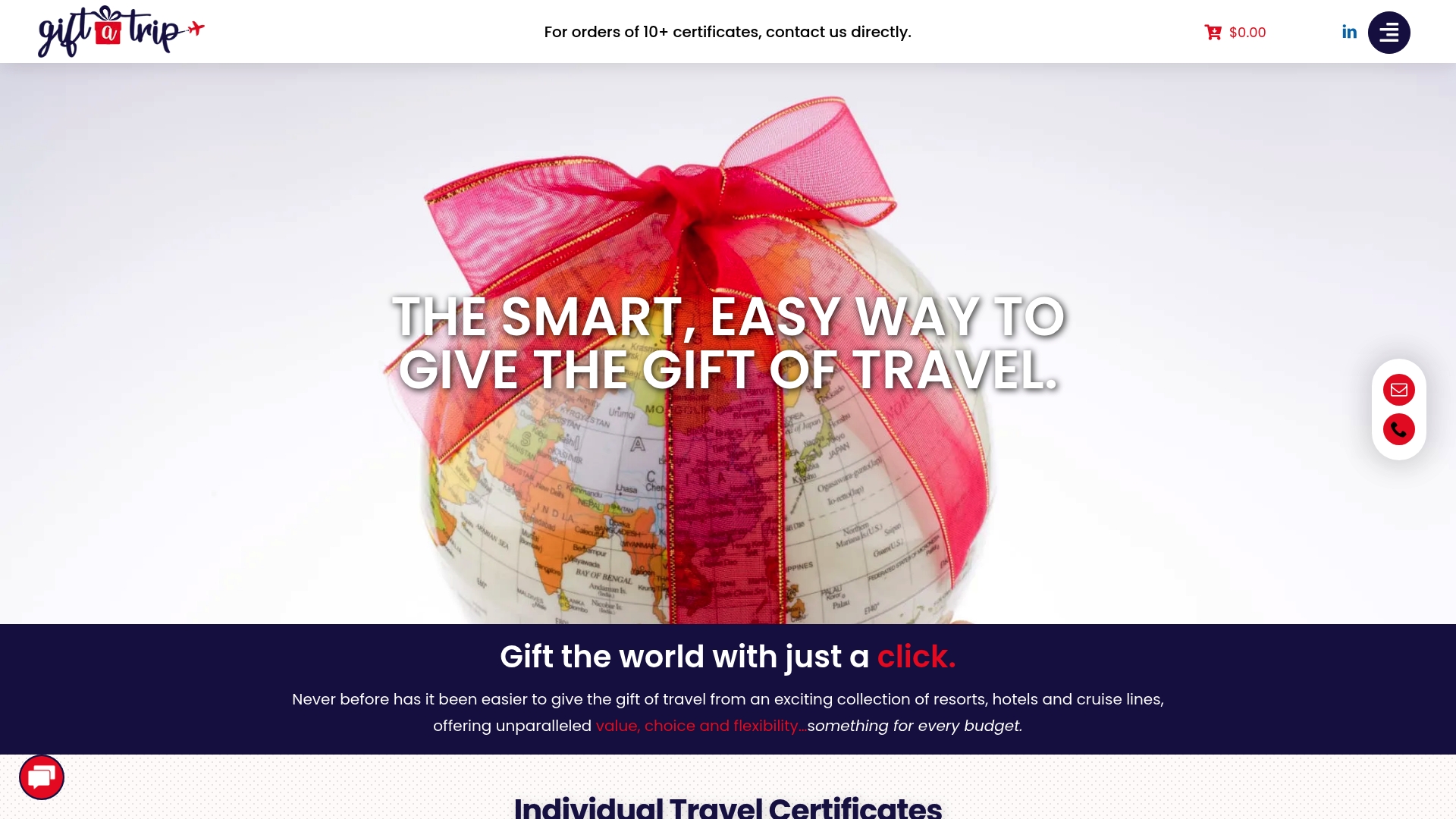
Giftatrip offers a full catalog of digital travel certificates redeemable at resorts, hotels, and cruise lines from major brands. Options range from Sandals Resorts certificates to Virgin Voyages cruise certificates, covering a wide range of employee preferences. Bulk ordering, personalized messaging, and secure digital delivery make the process straightforward for HR managers handling large teams. Taxes and resort fees are covered, and blackout dates are minimal. For HR teams looking to add a high-impact experiential tier to their reward program, Giftatrip’s corporate gifting program is a practical starting point.
FAQ
What are the most common examples of employee rewards?
The most common employee rewards include performance bonuses, gift cards, extra paid time off, peer recognition, flexible scheduling, and professional development opportunities. Experiential rewards like travel certificates are growing in popularity because of their lasting emotional impact.
How do you reward employees without cash?
Non-monetary rewards such as handwritten notes, public recognition, flexible work arrangements, volunteer days, and travel certificates are all effective alternatives to cash. O.C. Tanner’s research confirms that timely, specific recognition tied to company values motivates employees regardless of monetary value.
Are gift cards taxable employee rewards?
Yes. Gift cards are taxable under IRS rules and must be reported through payroll. They do not qualify for the de minimis exclusion, so HR teams need a dedicated payroll process to handle them correctly.
How often should managers recognize employees?
Weekly recognition produces the strongest results. Achievers’ research shows employees recognized weekly are 2.6 times more likely to be productive than those recognized less frequently.
What is a tiered employee reward system?
A tiered reward system organizes recognition into three levels: immediate small rewards given within 24 hours, short-cycle tangible rewards given weekly or monthly, and milestone rewards given quarterly or annually. This structure matches recognition to the employee motivation cycle and sustains engagement over time.